
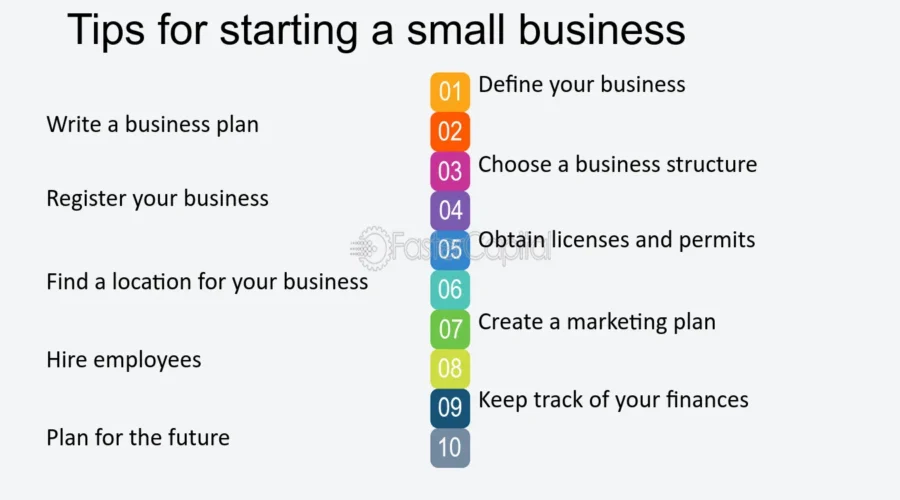
Guide Lines for Starting a small business
Starting a small business doesn’t require huge capital, but it does demand planning, discipline, and consistency. First, identify a business idea that matches your skills and local demand. Think about what people around you need—food services, tuition classes, repair services, or online selling are common options. Make sure your idea solves a real problem or fulfills a demand.
Next, do basic market research. Understand your competitors, pricing, and target customers. This helps you position your business better. After that, create a simple business plan. It doesn’t have to be complex—just outline your product or service, expected costs, pricing, and how you will attract customers.
Then, arrange your finances. Start small and use your savings if possible to avoid debt. Calculate your initial investment and keep some backup funds for emergencies. Register your business if required, and get necessary licenses depending on your industry and location.
Marketing is very important. Use social media platforms like WhatsApp, Instagram, and Facebook to promote your business. Word-of-mouth is also powerful—offer good service so customers recommend you to others. You can also give small discounts or offers in the beginning to attract attention.
Focus on quality and customer satisfaction. Happy customers bring repeat business and referrals. Keep improving your product or service based on feedback. Also, maintain proper records of income and expenses to track your progress.
Finally, stay patient and consistent. Every business takes time to grow. Learn from mistakes and keep adapting. With dedication and smart work, a small business can turn into a successful venture over time.



A WordPress Commenter
April 15, 2026 at 4:21 amHi, this is a comment.
To get started with moderating, editing, and deleting comments, please visit the Comments screen in the dashboard.
Commenter avatars come from Gravatar.